Is Panda Express Chow Mein Healthy? Calories, Macros & Hacks
Fast food lovers frequently face a dilemma at the ordering counter: noodles or rice? The signature stir-fried noodles from America’s largest Chinese restaurant chain remain a fan favorite, drawing millions of orders every year.
Understanding the nutritional profile of your fast-food choices helps you hit your fitness goals without sacrificing flavor. Many diners assume a simple vegetable noodle dish is automatically a light choice. However, restaurant preparation methods dramatically impact the final macronutrient count.
What Is Panda Express Chow Mein
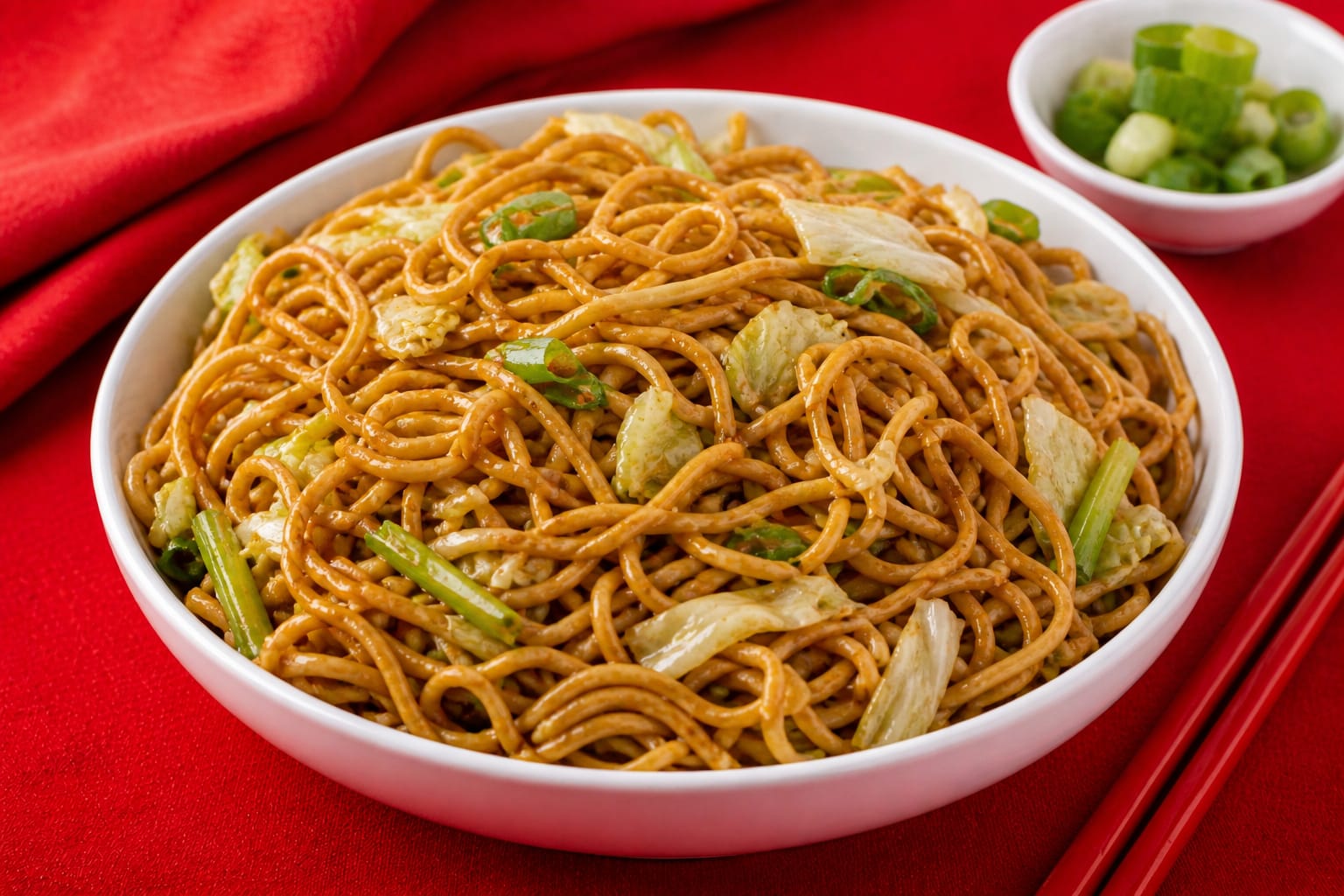
Panda Express Chow Mein is a signature American Chinese side dish featuring wheat noodles wok-tossed with sliced celery, onions, and cabbage. It is cooked at high heat using soybean oil and a savory soy-based sauce, delivering a smoky, slightly sweet flavor profile that pairs well with savory protein entrees.
This iconic dish serves as the foundation for countless bowls and plates served across the country. Unlike heavy pasta dishes bathed in thick gravies, these noodles maintain a slightly dry, chewy texture that eagerly absorbs the sauces from the entrees placed on top of them. Because the vegetables are cooked rapidly, they retain a crispness that adds valuable texture to your meal.
Panda Express Chow Mein Calories and Nutrition Facts
Panda Express Chow Mein contains exactly 600 calories per standard 11-ounce serving, according to official 2026 nutritional data. This side dish delivers 94 grams of carbohydrates, 23 grams of fat, and 15 grams of protein, making it a high-energy option that fuels active lifestyles but requires portion control for weight management.
Tracking your macros requires accurate data. Below is the precise nutritional breakdown for a full standard side portion.
Chow Mein Nutrition Facts
|
Nutrient |
Amount |
|
Calories |
600 kcal |
|
Total Fat |
23 g |
|
Saturated Fat |
4 g |
|
Carbohydrates |
94 g |
|
Dietary Fiber |
7 g |
|
Sugars |
11 g |
|
Protein |
15 g |
|
Sodium |
1000 mg |
Panda Express Chow Mein Ingredients and What It Is Made Of
Panda Express Chow Mein is made from fresh wheat noodles, sliced green cabbage, celery, and white onions. These core ingredients are wok-tossed in soybean oil and flavored with a proprietary sauce blend that includes soy sauce, sugar, and various seasonings, containing wheat and soy allergens.
The simplicity of the ingredient list is part of the dish’s appeal. However, diners with strict dietary restrictions must remain cautious.
- Vegan/Vegetarian Status: The dish contains no meat or animal by-products in its ingredient list. However, Panda Express does not label it strictly vegan due to the high risk of cross-contamination in their shared commercial woks.
- Gluten Content: The noodles are made from wheat, and the soy sauce is brewed with wheat. This makes the dish entirely unsafe for anyone with celiac disease or a gluten intolerance.
- Allergens: Soy and wheat are heavily present.
What Does Panda Express Chow Mein Taste Like
Panda Express Chow Mein tastes savory, slightly sweet, and features a distinct smoky undertone known as “wok hei” from high-heat cooking. The wheat noodles remain soft and chewy, while the lightly charred cabbage, celery, and onions provide a satisfying crunch that contrasts perfectly with the rich soy-based sauce.
The flavor profile is intentionally designed to complement the rest of the menu. It acts as a savory canvas. When you place a sweet protein like Honey Sesame Chicken on top, the salty soy sauce notes of the noodles balance out the sugary glaze of the meat.
Chow Mein Sodium and Oil Content Explained
Panda Express Chow Mein contains 1000 milligrams of sodium and 23 grams of fat per serving. The high sodium levels originate from the soy sauce base, while the fat content comes from the generous amount of soybean oil required to prevent the wheat noodles from sticking to the high-heat wok.
Many diners are shocked to learn a simple noodle dish contains nearly half the recommended daily allowance for sodium. Fast-food restaurants rely heavily on salt to preserve food and enhance flavor. The oil serves a dual purpose. It transfers the intense heat of the commercial burners directly into the noodles, creating that famous char, and it acts as a lubricant to keep the massive batches from turning into a sticky paste.
Panda Express Chow Mein Portion Size and Serving Details
The official portion size for a side of Panda Express Chow Mein is 11 ounces. This serving fills roughly half of a standard two-entree plate or the entire base of a single-entree bowl. Hand-scooping variances mean your actual serving might slightly differ in volume and exact vegetable-to-noodle ratio.
If you watch closely while your food is plated, you will notice that the servers use a specific spoodle (a spoon-ladle hybrid) to scoop the noodles. A generous scoop easily pushes the portion past 11 ounces. If you strictly monitor your diet, requesting a half-portion is the easiest way to guarantee you do not overconsume calories.
How Panda Express Chow Mein Is Cooked
Panda Express Chow Mein is cooked in large woks over intense commercial flames. Chefs first heat soybean oil, then quickly stir-fry the celery, onions, and cabbage to achieve a light char. Pre-boiled wheat noodles are then added along with the soy-based sauce, tossing rapidly to ensure even coating and prevent sticking.
This cooking method requires immense physical effort from the kitchen staff. The constant tossing prevents the noodles from burning while simultaneously steaming off excess moisture. This rapid evaporation process is exactly why the noodles hold up so well inside a takeout container without instantly turning soggy.
Can You Customize Panda Express Chow Mein
You cannot customize the ingredients inside Panda Express Chow Mein because it is cooked in large batches rather than made to order. However, you can customize your serving size by requesting a “half-and-half” side, allowing you to split your base between noodles and another option like Super Greens.
Asking to remove the celery or onions is simply not possible in this fast-casual setting. If you want a personalized noodle dish, you will need to visit a traditional sit-down restaurant. The half-and-half trick remains the ultimate customization hack, giving you the satisfying taste of the noodles while dramatically cutting down the total starch load.
Panda Express Chow Mein Price (Latest 2026)
As of 2026, an individual a la carte side of Panda Express Chow Mein costs approximately $4.60. When ordered as part of a Bowl, Plate, or Bigger Plate meal combination, the noodles are included in the base meal price, which typically ranges from $9.30 to $12.90 depending on your region.
Prices fluctuate slightly based on local taxes and specific real estate markets. For instance, ordering at an airport terminal or a theme park food court will always trigger a premium markup. Buying the noodles as part of a multi-entree Plate always yields a better financial return per ounce than purchasing the items entirely a la carte.
Best Entrees to Pair with Chow Mein
The best entrees to pair with Panda Express Chow Mein depend on your nutritional goals. For high protein, pair the noodles with Grilled Teriyaki Chicken. If you want a classic flavor combination, pair them with Orange Chicken. For a lower-calorie plate, select Wok Smart items like Broccoli Beef.
To make meal planning easier, use these targeted combinations based on specific fitness objectives.
Meal Combination Calorie
|
Fitness Goal |
Meal Combination |
Est. Total Calories |
|
Cutting (Fat Loss) |
Half Chow Mein + Half Super Greens + Broccoli Beef |
~510 kcal |
|
Balanced Eating |
Half Chow Mein + Half Super Greens + Grilled Teriyaki Chicken |
~635 kcal |
|
Bulking (Muscle Gain) |
Full Chow Mein + Orange Chicken + Black Pepper Steak |
~1290 kcal |
Tips to Order Chow Mein Smartly (Save Calories & Money)
To order Panda Express Chow Mein smartly, request a half-and-half side with Super Greens to cut your noodle calories in half while boosting fiber. For the best financial value, order the Bigger Plate and split it with a friend, resulting in more food per dollar than buying separate bowls.
- Dodge the starch coma: Avoid pairing the noodles with breaded, deep-fried chicken. Stick to grilled or wok-seared proteins.
- Skip the sugary drinks: A large fountain soda adds hundreds of empty calories. Stick to water or unsweetened tea to let the savory noodles shine.
- Leverage rewards: Always scan your app at the register. A few orders of noodles quickly add up to a free premium entree upgrade.
Frequently Asked Questions
Does Panda Express Chow Mein have MSG?
Panda Express does not add raw MSG powder to their recipes. However, naturally occurring glutamates are heavily present in the soy sauce used to cook the Chow Mein, which provides the same savory umami flavor profile.
Is Chow Mein healthier than Fried Rice at Panda Express?
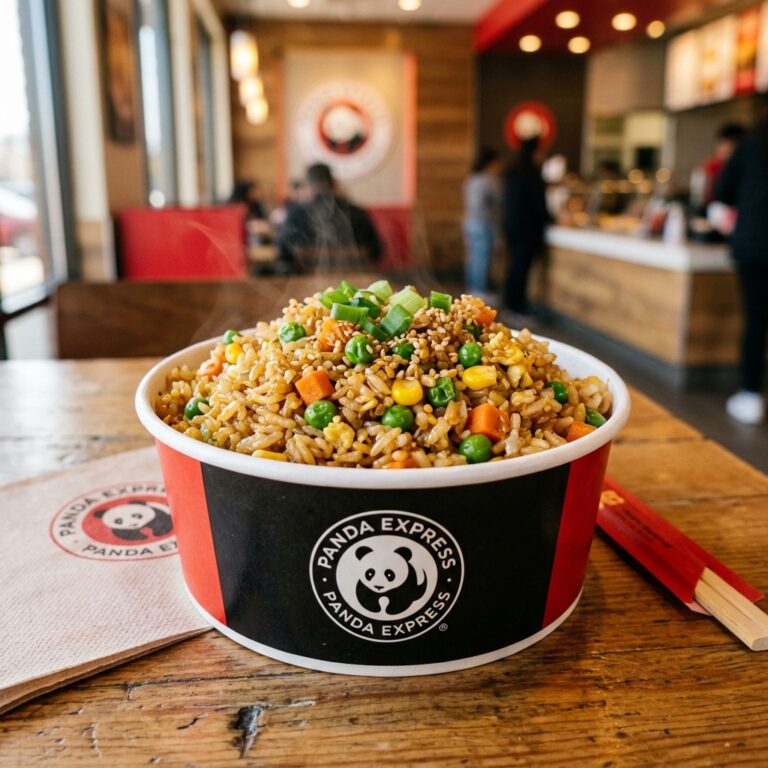
Chow Mein and Fried Rice are nutritionally very similar. Chow Mein contains 600 calories and 94 grams of carbs, while Fried Rice contains 620 calories and 101 grams of carbs. Neither is inherently “healthy,” but the noodles have slightly less sugar and marginally more protein.
Can I get Chow Mein without vegetables?
No. Because Panda Express cooks their food in massive commercial batches to maintain speed and efficiency, the servers cannot pick the onions, celery, or cabbage out of the noodles for individual customer requests.
Does the Chow Mein contain egg?
Panda Express Chow Mein noodles do not contain egg in their recipe, making them suitable for diners avoiding egg products. Conversely, the Fried Rice is cooked with scrambled eggs mixed directly into the batch.
Why is the Chow Mein sometimes dry?
The noodles dry out if they sit under the commercial heat lamps during slow business hours. For the freshest, most flavorful noodles, try visiting the restaurant during peak lunch or dinner rushes when the kitchen is constantly churning out fresh batches from the wok.