Panda Express Beijing Beef Recipe: Crispy Copycat Version
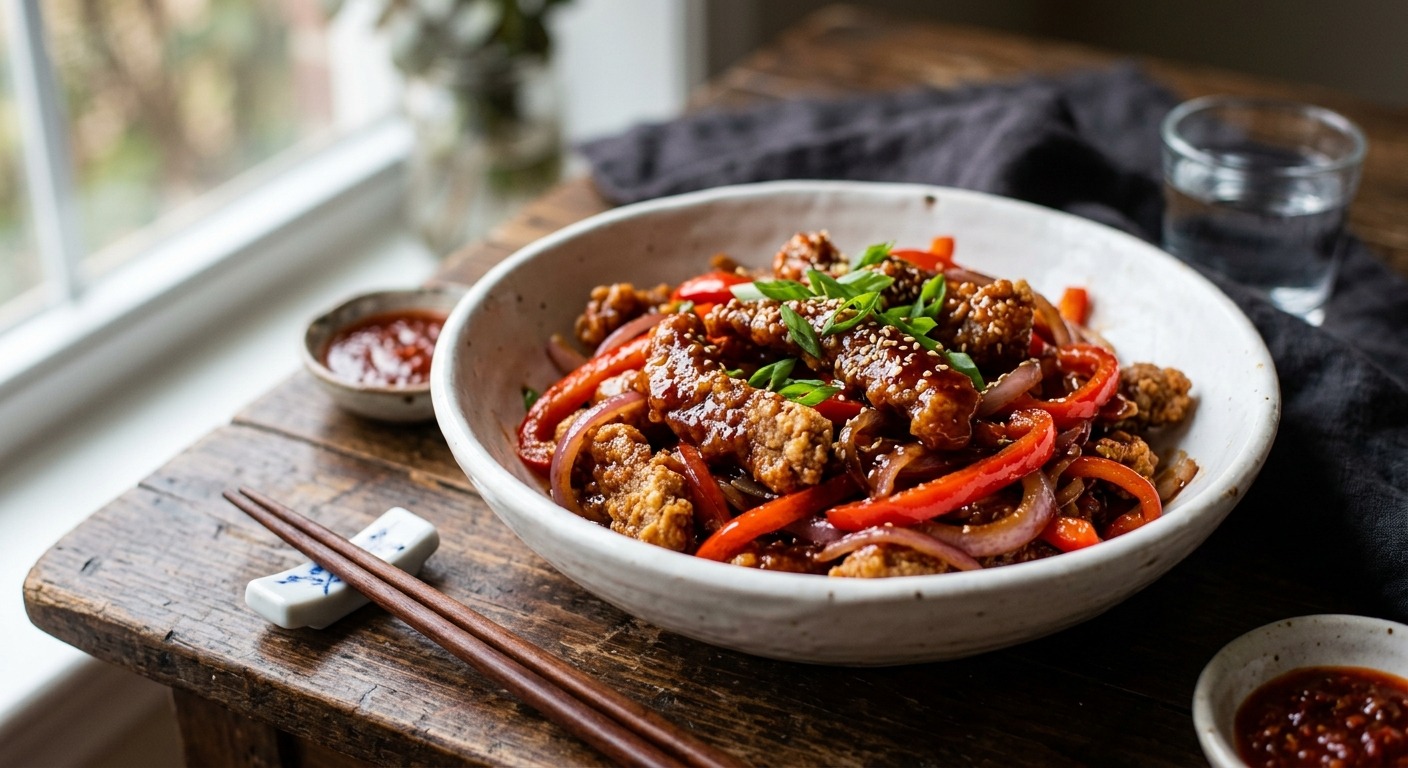
This Panda Express Beijing Beef copycat recipe uses flank steak, an egg-white-and-cornstarch coating, and a double fry for maximum crunch. Toss crispy beef with bell pepper, onion, and a sweet-tangy sauce made from hoisin, ketchup, and vinegar. Total time runs about 45 minutes, including a 30-minute marinade, and serves 4.
Beijing Beef vs. Mongolian Beef: What’s the Difference?
What distinguishes Beijing Beef from Mongolian Beef? Beijing Beef is battered in egg white and cornstarch, double-fried for a crisp shell, then tossed in a sweet, tangy, mildly spicy sauce with bell pepper and onion. Mongolian Beef typically features thinly sliced beef with a light cornstarch dust, no deep-fry crunch, and a savory soy-garlic-brown sugar sauce, usually garnished with scallions.
|
Feature |
Beijing Beef |
Mongolian Beef |
|
Coating |
Egg white + cornstarch, double-fried |
Light cornstarch dust, pan-fried |
|
Sauce flavor |
Sweet, tangy, lightly spicy (hoisin, ketchup, vinegar) |
Savory-sweet (soy sauce, brown sugar, garlic, ginger) |
|
Vegetables |
Red bell pepper, onion |
Usually scallions only |
|
Texture |
Crispy exterior |
Tender, lightly glazed |
Both dishes are Chinese-American takeout staples, but the deep-fried shell and tangy sauce are what set Beijing Beef apart on the menu.
Copycat Beijing Beef: Key Ingredients
A proper copycat Beijing Beef recipe leans on a short, specific ingredient list to recreate that signature crunch and glaze.
For the beef and vegetables:
- 1 lb flank steak, sliced thin against the grain
- 2–3 egg whites
- Cornstarch (for marinade, dredge, and final toss)
- Salt
- Neutral oil for frying (vegetable, canola, or avocado)
- 1 red bell pepper, cut into 1-inch pieces
- 1 yellow or white onion, sliced or cut into chunks
- Garlic, minced
For the sweet-tangy sauce:
- Hoisin sauce
- Ketchup
- Sugar
- Apple cider vinegar or white vinegar
- Soy sauce
- Oyster sauce (or a vegetarian mushroom-based substitute)
- Crushed red pepper flakes
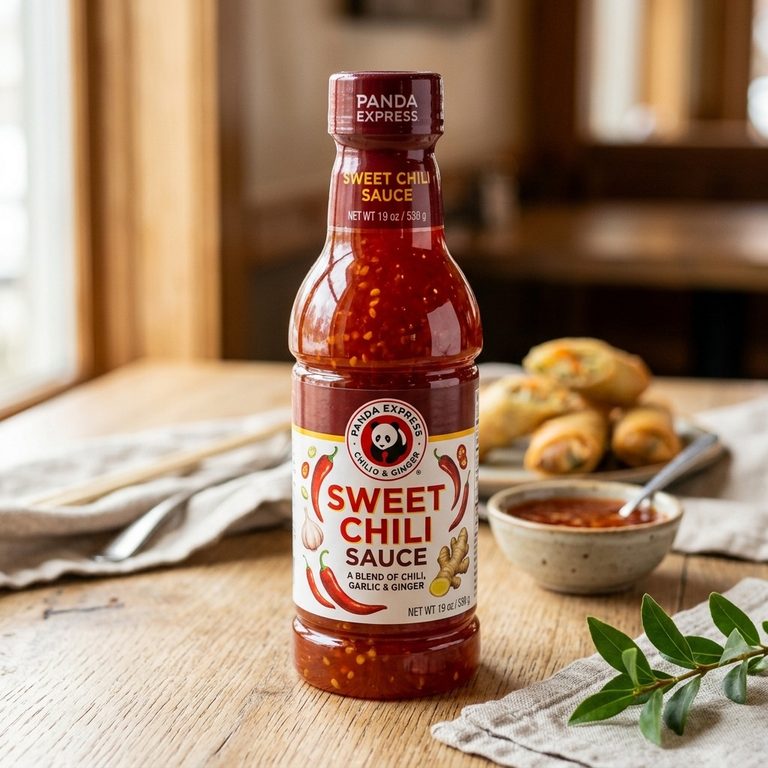
Sweet chili sauce, if used, is a distinct ingredient from sweet-and-sour sauce or garlic chili paste don’t substitute one for the other, as it will change the flavor profile.
Why Does Beijing Beef Use an Egg White Batter?
Why is egg white used in Beijing Beef batter? Egg white coats each beef strip in a thin protein layer that firms up when fried, creating a light, crisp “shell” before the cornstarch dredge adds extra crunch. This technique helps the beef stay tender inside while developing the shatter-crisp texture the dish is known for.
This is a general frying technique common to Chinese-American cooking, not a confirmed detail of Panda Express’s proprietary method but it explains why skipping the egg white (and using cornstarch alone) still works, just with a slightly thinner crust.
How to Make Beijing Beef: Step-by-Step
This Beijing Beef recipe Panda fans will recognize comes together in five stages: slicing, battering, frying, saucing, and tossing.
How Do You Slice Flank Steak for Beijing Beef?
How should flank steak be sliced for this recipe? Slice flank steak against the grain into thin strips, about ¼ inch thick. Cutting against the grain shortens the muscle fibers, which keeps the beef tender rather than chewy after frying. Partially freezing the steak for 15–20 minutes first makes thin, even slicing much easier.
Egg-White Batter and Cornstarch Dredge
- Combine sliced beef with 2–3 beaten egg whites, a pinch of salt, and a small amount of cornstarch.
- Let the beef marinate for 30 minutes to 1 hour (covered, in the fridge, if longer).
- Just before frying, toss the marinated beef in additional cornstarch, shaking off the excess so the coating stays light rather than clumpy.
Double Fry for Maximum Crunch
- Heat about 1 cup of oil in a small saucepan or wok to roughly 350°F.
- Fry the beef in small batches for 2–3 minutes per batch, until golden and crisp. Avoid overcrowding the pan too much beef at once drops the oil temperature and leads to soggy, greasy results instead of a crisp crust.
- Drain fried beef on a paper-towel-lined plate or wire rack.
Making the Sweet-Tangy Sauce
Whisk together water, sugar, ketchup, hoisin sauce, soy sauce, oyster sauce, crushed red pepper, and vinegar. Simmer the sauce in a hot pan for 3–5 minutes until it thickens into a glossy glaze this step concentrates the flavor and gives the sauce its sticky, clingy texture.
Toss the Beef with Vegetables
- Sauté bell pepper and onion in a hot pan for 2–3 minutes, just until they start to caramelize at the edges don’t overcook, or they’ll lose their crunch.
- Add minced garlic and cook a few more seconds until fragrant.
- Pour the thickened sauce over the vegetables, then add the fried beef back in.
- Toss everything together quickly to coat evenly, and serve immediately while the beef is still crisp.
Heat Level and Sweetness Adjustments
Some home cooks find copycat versions of this dish too sweet or not spicy enough. Use this scale as a starting guide:
|
Heat Level |
Crushed Red Pepper |
Sweetness Tip |
|
Mild |
½ tsp |
Use full sugar amount |
|
Medium |
1 tsp |
Reduce sugar by 25% |
|
Hot |
1½–2 tsp |
Reduce sugar and hoisin by up to half |
If a batch tastes overly sweet, cutting the sugar and hoisin sauce back is an easy fix without affecting the sauce’s thickness.
Nutrition Comparison: Restaurant vs. Homemade
How does homemade Beijing Beef compare nutritionally to Panda Express’s version? A 5.6 oz restaurant serving of Panda Express Beijing Beef has about 470 calories, 26 g fat, 660 mg sodium, and 24 g sugar, per fastfoodnutrition.org data sourced from Panda Express. A homemade copycat version (4 servings) runs closer to 835 calories and 1,026 mg sodium per serving, largely due to the oil used for double-frying.
|
Nutrient (per serving) |
Panda Express Beijing Beef* |
Homemade Copycat (4 servings)** |
|
Calories |
470 |
835 |
|
Total fat |
26 g |
61 g |
|
Saturated fat |
5 g |
11 g |
|
Carbohydrates |
46 g |
43 g |
|
Sugar |
24 g |
26 g |
|
Protein |
13 g |
29 g |
|
Sodium |
660 mg |
1,026 mg |
*Source: fastfoodnutrition.org, citing Panda Express nutrition data. A separate source, chainmenus.com (archived Panda Express nutrition table, September 2026), lists slightly different figures for the same item: 470 calories, 27 g fat, 600 mg sodium, 21 g sugar, and 14 g protein the discrepancy likely reflects different data snapshots.
**Source: Dinner, Then Dessert recipe nutrition data.
For context, Panda Express’s Broccoli Beef (110–150 calories) and Black Pepper Sirloin Steak (130–180 calories) are considerably lighter beef options on the same menu, according to the chainmenus.com table useful to know if you’re comparing choices at the counter rather than cooking at home.
Homemade portions tend to run higher in calories and sodium mainly because of the oil absorbed during frying and the volume of sauce used per serving both are adjustable if you’re cooking to a specific nutrition target. Using less oil, skipping the egg batter for a lighter cornstarch-only coating, or reducing the sauce ratio are all reasonable ways to bring those numbers down.
Make-Ahead and Reheating Tips
Can Beijing Beef be made ahead of time? The sauce can be mixed 1–2 days in advance and refrigerated, which cuts down on day-of prep time. The fried beef and vegetables are best cooked fresh, since frying ahead and reheating will soften the crispy coating.
For leftovers:
- Refrigerate within 2 hours of cooking and use within 3–4 days, per standard USDA food-safety guidance.
- Reheat in a skillet over medium heat to help re-crisp the coating, or microwave in short bursts if time is tight reheat to an internal temperature of 165°F.
- Freezing isn’t ideal, since the bell pepper and onion turn mushy after thawing.
Frequently Asked Questions
Is Panda Express Beijing Beef gluten-free?
No. Panda Express lists wheat as an allergen for Beijing Beef. At home, hoisin, oyster sauce, soy sauce, and even some ketchup brands often contain gluten swap in tamari and certified gluten-free versions of these sauces to make the recipe gluten-free.
Can I substitute sirloin for flank steak?
Yes. Sirloin works well sliced thin against the grain, though flank steak’s grain structure makes it easier to get a tender bite after frying. Either cut should be sliced into roughly ¼-inch strips for consistent cooking time.
How many calories are in restaurant Beijing Beef?
A 5.6 oz Panda Express serving has about 470 calories, per fastfoodnutrition.org data sourced from Panda Express. A separate archived nutrition table from chainmenus.com lists the same calorie count but slightly different fat, sodium, and sugar figures.
How much sodium does Beijing Beef have?
Restaurant Beijing Beef contains about 660 mg of sodium per serving, according to fastfoodnutrition.org, while a separate source (chainmenus.com) lists 600 mg for the same item both are roughly a quarter of the recommended daily sodium intake.
How much sugar is in a serving of Beijing Beef?
Panda Express’s Beijing Beef has about 24 g of sugar per serving, per fastfoodnutrition.org, while chainmenus.com lists 21 g both sources confirm this is one of the sweeter items on Panda’s menu.
How long should flank steak marinate for this recipe?
Marinate sliced flank steak in the egg white mixture for 30 minutes to 1 hour at room temperature, or cover and refrigerate for a few hours if prepping ahead. Longer marinating doesn’t significantly improve tenderness beyond that window.
How much oil do I need to fry the beef?
Most copycat recipes call for about 1 cup of oil in a small saucepan, which is enough for shallow frying in small batches. Using a larger pot with more oil lets you fry bigger batches at once, speeding up the process.
Why is my Beijing Beef sauce too sweet?
The sauce’s sweetness comes mainly from sugar and hoisin sauce. If a batch tastes overly sweet, cut the sugar and hoisin by 25–50% and adjust vinegar slightly upward to maintain balance.
How many grams of protein does homemade Beijing Beef have compared to the restaurant version?
A homemade serving has about 29 g of protein, compared to roughly 13–14 g in a restaurant serving, according to fastfoodnutrition.org and chainmenus.com. The higher protein in homemade versions reflects a larger beef-to-sauce ratio typical of home recipes.
Can I make Beijing Beef without deep-frying?
Yes, though the texture will differ. Pan-frying the battered beef in 1–2 tablespoons of oil instead of deep-frying reduces oil and calories but won’t produce the same shatter-crisp shell as the traditional method.