Panda Express Chow Mein Recipe for Easy Copycat Noodles
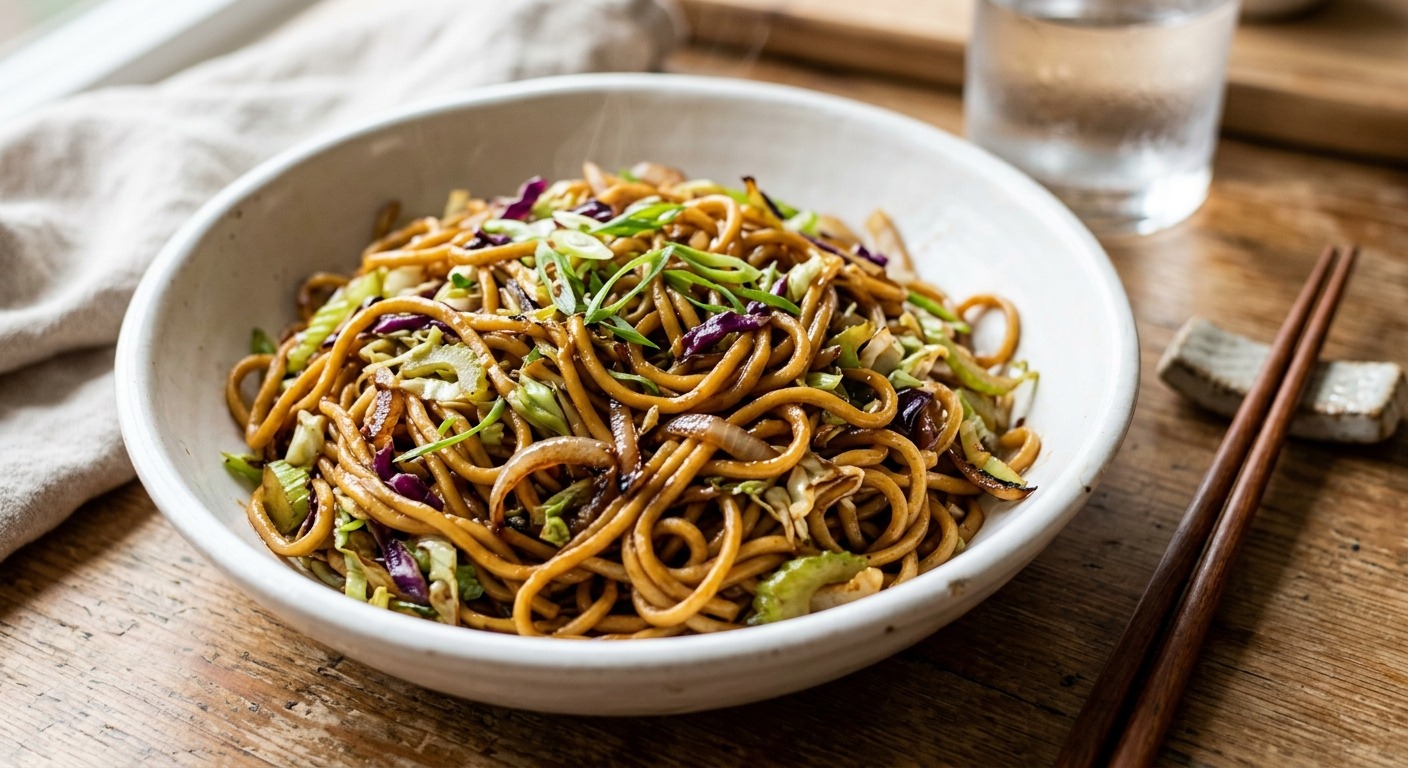
Panda Express chow mein uses stir-fried wheat noodles tossed with cabbage, celery, and onion in a soy-based sauce. The closest copycat result comes from refrigerated or dry yakisoba-style noodles, rinsed to remove excess starch, then stir-fried in a hot wok for under 10 minutes total. This recipe serves 4 and costs a fraction of the restaurant version.
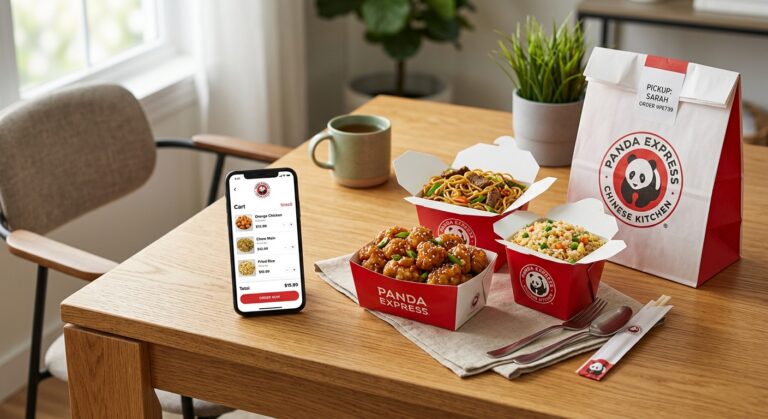
Panda Express chow mein ranks among the chain’s most-ordered sides, pairing with entrees like orange chicken and teriyaki chicken in nearly every combo bowl. The restaurant version runs 600 calories and 860mg of sodium per 11-ounce side, according to 2026 nutrition data from pandaexpressmenus.com. Making chow mein Panda Express style at home lets you control both the sodium and the noodle quality, while still landing that same savory, slightly smoky stir-fry flavor.
What noodles does Panda Express use for chow mein?
Panda Express chow mein relies on stir-fried wheat noodles, not a soft, saucy lo mein noodle. Home cooks who recreate copycat Panda chow mein most often reach for pre-cooked yakisoba-style noodles because they stir-fry quickly and hold their shape. Panda Express has not published an official noodle brand, so treat yakisoba as the closest widely used match rather than a confirmed ingredient.
Where can I find yakisoba noodles for this recipe?
Look for refrigerated yakisoba noodles in the produce section or the refrigerated Asian foods aisle, usually sold in 5.6-ounce packages of three. Dry yakisoba or chow mein noodles are typically found in the international or noodle aisle. Check the package for an included seasoning packet discard it, since it adds sodium you don’t need for this sauce.
What can I use if my store doesn’t carry yakisoba noodles?
If yakisoba isn’t available, Chinese egg noodles, lo mein noodles, or dry ramen noodles (without the seasoning packet) all work as substitutes. Thin spaghetti is a surprisingly close stand-in in a pinch, as long as it’s cooked just under al dente so it doesn’t turn mushy in the wok.
|
Noodle option |
Where to find it |
Prep needed |
|
Refrigerated yakisoba |
Produce or refrigerated Asian aisle |
Rinse under warm water to loosen |
|
Dry yakisoba/chow mein |
International/noodle aisle |
Boil briefly, then rinse |
|
Chinese egg or lo mein noodles |
Asian grocery or international aisle |
Boil until just tender |
|
Thin spaghetti (substitute) |
Pasta aisle |
Cook slightly under al dente |
Panda Express noodles recipe: ingredients for 4 servings
This ingredient list makes a close copycat Panda chow mein recipe sized for four servings as a side dish.
- 3 packages (about 16–17 oz total) refrigerated yakisoba noodles, or 12 oz dry chow mein noodles
- 2 tablespoons vegetable or canola oil
- 1/2 medium onion, thinly sliced
- 2 celery stalks, sliced diagonally
- 3 cups shredded green cabbage (about half a small head)
- 1/4 cup soy sauce
- 1 tablespoon brown sugar
- 2 cloves garlic, minced
- 1 teaspoon grated fresh ginger
- 1 tablespoon oyster sauce (optional, for extra umami)
- Black pepper, to taste
How to make Panda Express chow mein: step-by-step
This one-wok method takes about 10 minutes of active cooking once everything is prepped.
How do I prep the noodles so they don’t clump?
If using refrigerated yakisoba, loosen the noodles under warm running water and drain well; this separates the strands before they hit the wok. If using dry noodles, boil according to package directions, then rinse under cold water to stop the cooking and wash away excess starch.
How do I stir-fry the vegetables for chow mein?
Heat oil in a large wok or deep skillet over medium-high heat. Add the onion and celery and stir-fry for 1–2 minutes until the onion turns translucent. Add the cabbage and cook for another minute, stirring constantly so the vegetables stay crisp-tender rather than limp.
How do I combine and sauce the noodles?
Whisk together soy sauce, brown sugar, garlic, ginger, oyster sauce (if using), and black pepper. Add the noodles and sauce to the wok with the vegetables, then stir-fry over medium-high heat for 2–3 minutes until everything is heated through and evenly coated. Serve immediately.
Copycat Panda chow mein vs. the real thing: nutrition comparison
Homemade nutrition will vary depending on your noodle brand and portion size, so treat the figures below as estimates rather than verified counts.
|
Calories |
Carbs |
Sodium |
Protein |
|
|
Panda Express Chow Mein (11 oz side)* |
600 |
94g |
860mg |
15g |
|
Homemade copycat (approx., per 4-serving recipe)** |
~275 |
~42g |
~1,245mg |
~8g |
*Source: pandaexpressmenus.com, 2026 nutrition data, values may vary by location.
**Estimate based on a comparable homemade chow mein recipe using 6 oz dry noodles for 4 servings; your results will differ based on noodle brand and sauce quantity.
Notice that a smaller homemade portion can still carry more sodium than the Panda Express side. If sodium is a concern, cut the soy sauce to 3 tablespoons, skip the oyster sauce, or use a low-sodium soy sauce alternative.
Variations: protein, spice, and gluten-free swaps
- Add protein: Stir in cooked chicken, shrimp, beef, or tofu during the last two minutes of cooking to turn this side into a full meal.
- Make it spicy: Add red pepper flakes, chili garlic sauce, or a drizzle of sriracha to the sauce mixture before combining.
- Make it gluten-free: Swap in certified gluten-free noodles and replace the soy sauce with tamari or a gluten-free soy sauce alternative. Always check labels, since cross-contamination varies by brand.
- Lower the sodium: Reduce soy sauce to 3 tablespoons and skip the optional oyster sauce, which adds additional sodium.
What goes with chow mein? Pairing with Panda Express entrees
Chow mein typically appears as a side in a Panda Express bowl or plate, paired with one or two entrees.
|
Pairing |
Entree calories |
Entree protein |
Combo notes |
|
Chow Mein + Orange Chicken |
510 cal |
26g |
Classic combo, ~1,110 cal total with chow mein side |
|
Chow Mein + Kung Pao Chicken |
320 cal |
17g |
Contains peanuts; good for spice lovers |
|
Chow Mein + Grilled Teriyaki Chicken |
275 cal |
33g |
Lighter, higher-protein option |
Entree data: pandaexpressmenus.com, 2026.
Try building your own version at home by pairing this chow mein with a homemade orange chicken recipe or a quick kung pao chicken stir-fry for a full copycat Panda Express spread.
Storage and reheating
Store leftover chow mein in an airtight container in the refrigerator for up to 4–5 days. Reheat in the microwave, on the stovetop, or in a 350°F oven, adding a small splash of water or soy sauce to keep the noodles from drying out.
Frequently asked questions
Is Panda Express chow mein the same as lo mein?
No. Chow mein noodles are stir-fried with minimal sauce for a slightly crisp texture, while lo mein noodles are boiled and tossed with more sauce for a softer, saucier result.
How many calories are in Panda Express chow mein?
A single 11-ounce Panda Express chow mein side contains about 600 calories, according to 2026 nutrition data from pandaexpressmenus.com.
How much sodium is in Panda Express chow mein?
Panda Express chow mein contains approximately 860mg of sodium per 11-ounce side, which is over a third of the FDA’s recommended 2,300mg daily limit.
Is homemade chow mein lower in sodium than Panda Express?
Not necessarily. Some homemade copycat recipes can exceed 1,200mg of sodium per serving if made with regular soy sauce, so reducing soy sauce or using a low-sodium version matters more than cooking at home.
Can I make Panda Express chow mein gluten-free?
Panda Express does not offer a dedicated gluten-free chow mein, since the dish contains wheat noodles and soy sauce. At home, you can substitute gluten-free noodles and tamari to make a gluten-free version.
What’s the best substitute if I can’t find yakisoba noodles?
Chinese egg noodles, lo mein noodles, or dry ramen without the seasoning packet all work. Thin spaghetti, cooked slightly under al dente, is a workable backup substitute.
How long does it take to make copycat Panda Express chow mein?
This recipe takes about 20 minutes total, with roughly 10–15 minutes for prep and 10 minutes of active stir-frying in one wok.
Can I add vegetables beyond cabbage, celery, and onion?
Yes. Shredded carrots, bean sprouts, snap peas, or broccoli are common additions that boost nutrition and texture without changing the core flavor.
Why did my homemade chow mein turn out salty?
Over-salting usually comes from using both a seasoning packet and added soy sauce, or using regular soy sauce in full amounts alongside oyster sauce. Start with less soy sauce and taste before adding more.
What’s the healthiest way to order chow mein at Panda Express?
Panda Express labels its lower-calorie, higher-protein entrees as “Wok Smart” options. Pairing chow mein with one of these entrees, like grilled teriyaki chicken, keeps the bowl closer to 875 calories total.