Does Panda Express Use MSG in 2026: Ingredients and Menu Facts
Panda Express does not add MSG during cooking, but the company confirms that “some ingredients may contain naturally occurring MSG,” according to its official FAQ page. This means dishes made with soy sauce, yeast extract, or mushrooms naturally contain glutamates chemically identical to added MSG even though none is sprinkled in during prep.
Does Panda Express Use MSG in Their Food?
Panda Express’s official policy states: “We do not add MSG, though some ingredients may contain naturally occurring MSG,” according to Panda Restaurant Group’s FAQ page. This distinction matters “no added MSG” is different from “MSG-free.” Most fast-food chains, including Chinese-American competitors, operate under the same standard because many common ingredients naturally produce glutamates during processing or fermentation.
|
Claim |
What It Actually Means |
|
“No MSG added” |
Panda doesn’t pour MSG powder into dishes |
|
“Naturally occurring MSG” |
Soy sauce, yeast extract, and similar ingredients still contain it |
|
“MSG-free” |
Not an accurate description of the Panda Express menu |
What Is Naturally Occurring MSG?
Monosodium glutamate (MSG) is the sodium salt of glutamic acid, an amino acid that occurs naturally in many everyday foods. Tomatoes, aged chees, mushrooms,soy sauce, and yeast extract all contain it. Crucially, naturally occurring MSG is chemically identical to added MSG your body can’t tell the difference between the two sources.
This umami compound is what gives savory dishes their deep, satisfying flavor. It’s the reason a bowl of miso soup or a splash of soy sauce tastes richer than salt alone could explain.
Which Panda Express Ingredients Contain Naturally Occurring MSG?
Several staple ingredients in Panda’s kitchen naturally contribute glutamates to the final dish:
- Soy sauce used in nearly every savory entrée
- Yeast extract found in seasoning blends and sauces
- Hydrolyzed soy protein used in some marinades
- Chicken stock or broth present in select sauces
- Mushrooms a primary ingredient in Mushroom Chicken
- Tomato paste used in Sweet & Sour Sauce
Is There MSG in Panda Express Orange Chicken?
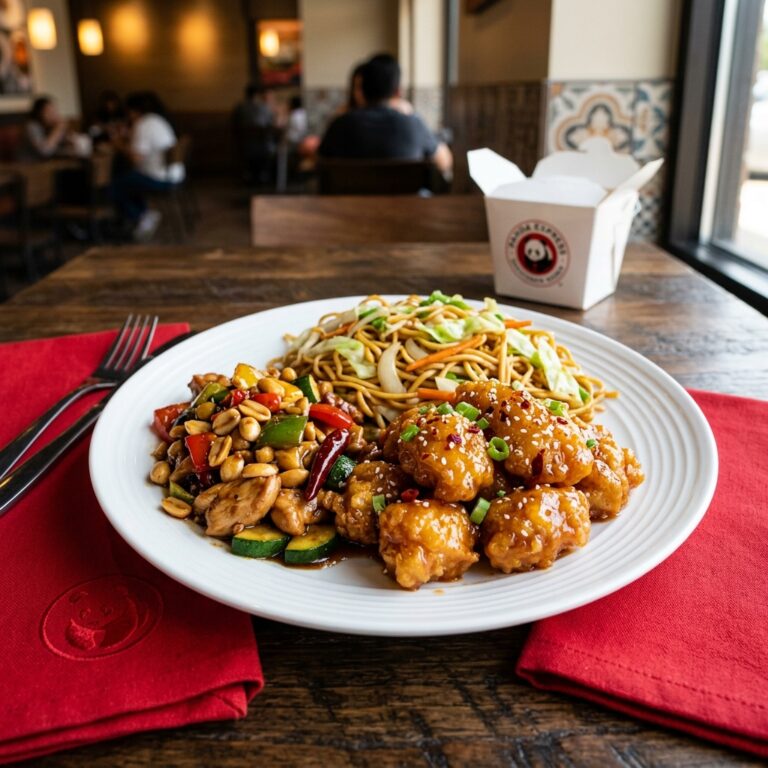
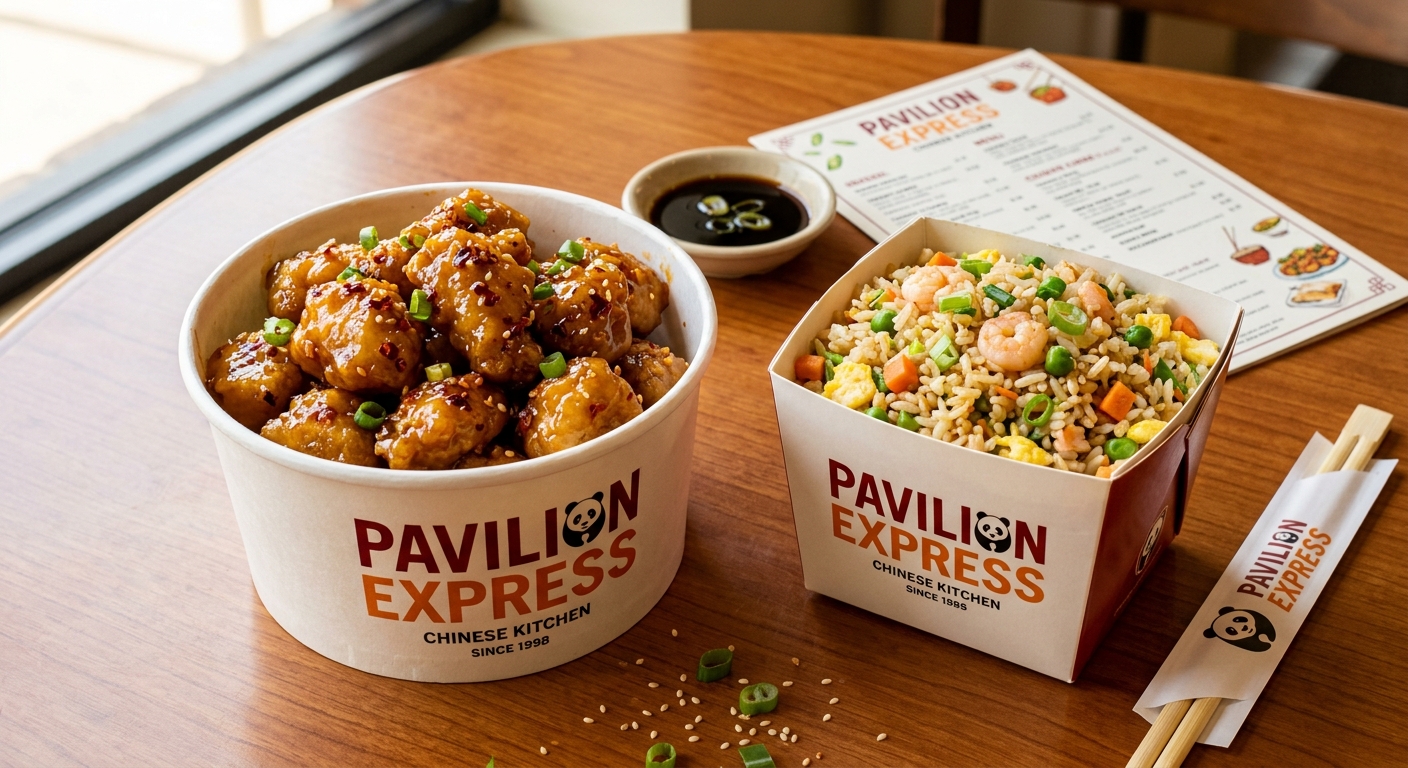
Yes. Orange Chicken‘s signature sauce is built on soy sauce, and it may also include yeast extract in the seasoning both natural sources of glutamates. Panda Express has not added MSG directly to the recipe, but the sauce still delivers the umami punch associated with it.
Panda Express Orange Chicken Ingredients
The dish combines battered, wok-fried chicken thigh meat with a sweet-tangy orange sauce made from a mix of soy sauce, sugar, orange flavoring, vinegar, chili paste, ginger, and garlic. The soy sauce base is the main contributor to naturally occurring MSG in this entrée.
Panda Express Orange Chicken Nutrition
|
Nutrient |
Amount (per 162g serving) |
|
Calories |
490 |
|
Total Fat |
23g |
|
Saturated Fat |
5g |
|
Carbohydrates |
51g |
|
Sugar |
19g |
|
Protein |
25g |
|
Sodium |
820mg (36% DV) |
That sodium figure is worth noting it’s over a third of your recommended daily intake in a single entrée, largely due to the soy-based sauce.
Does Panda Express Use MSG in Chow Mein?
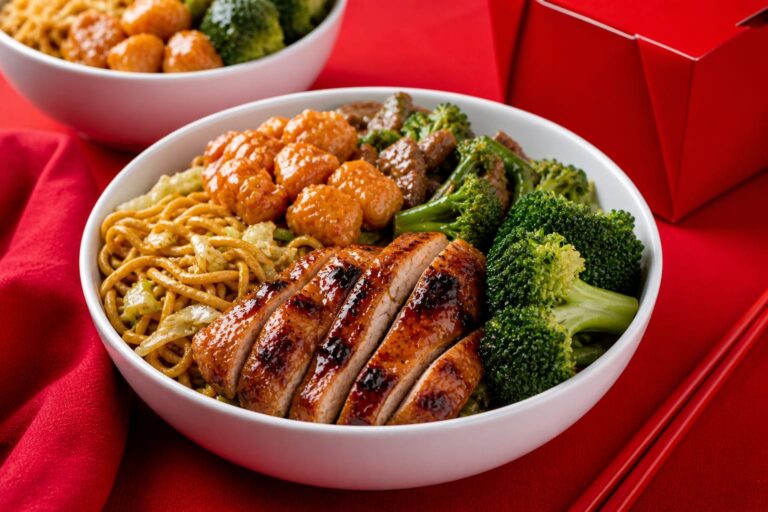
Chow Mein relies heavily on soy sauce to season its wheat noodles, cabbage, celery, and onions, making it another dish with naturally occurring MSG. A side of Chow Mein runs about 510 calories, and when paired with an entrée like Orange Chicken, a typical bowl totals roughly 1,000 calories and 1,680mg of sodium already 73% of the recommended daily value.
Panda Express Menu Items With the Most Naturally Occurring MSG
These dishes lean heavily on soy-based sauces and marinades:
- Kung Pao Chicken
- Beijing Beef
- Mushroom Chicken
- Black Pepper Chicken
- Orange Chicken
- String Bean Chicken Breast
Panda Express Menu Items With the Least Naturally Occurring MSG
If you’re trying to minimize intake, these options use simpler preparations:
- Super Greens (broccoli, kale, cabbage)
- Steamed White Rice
- Steamed Brown Rice
- Grilled Teriyaki Chicken
Is MSG Sensitivity Real?
For a small subset of people, yes. Symptoms can include headache, flushing, sweating, or chest tightness a cluster of reactions once labeled “Chinese Restaurant Syndrome,” a term now considered outdated and misleading. Research suggests only 1-2% of the population experiences genuine MSG sensitivity, and the FDA classifies MSG as “generally recognized as safe” (GRAS).
How to Order Lower-MSG at Panda Express
A few simple swaps can meaningfully cut your glutamate and sodium intake:
- Choose Wok Smart items over heavily sauced entrées
- Ask for sauce on the side, or skip it entirely
- Pick Grilled Teriyaki Chicken instead of Orange Chicken
- Swap Chow Mein or Fried Rice for Super Greens
- Choose Steamed Rice over Fried Rice
How Does Panda Express Compare to Other Chinese Chains?
|
Chain |
Adds MSG? |
Overall MSG Level |
|
Panda Express |
No |
Low-Medium |
|
Pei Wei |
No |
Medium |
|
P.F. Chang’s |
No |
Medium |
|
Mandarin Express |
Varies |
Medium-High |
|
Traditional Buffet |
Often |
Medium-High |
Should You Be Worried About MSG?
Modern peer-reviewed research has largely debunked the health scares once associated with MSG. The FDA lists it as safe, and international food safety bodies like the Codex Alimentarius permit its use. Interestingly, MSG contains about 30% less sodium than table salt for the same flavor impact meaning it isn’t inherently worse for sodium-conscious eaters. That said, if you’ve noticed a pattern of symptoms after eating MSG-containing foods, that personal experience is worth taking seriously and discussing with a doctor.
What About Sodium Content Overall?
MSG’s sodium contribution is often smaller than people assume, but Panda Express entrées still run high in sodium overall averaging 500 to 1,200mg per dish. Kung Pao Chicken tops the list at roughly 980mg, while steamed rice sits at just 5-15mg. With a daily recommended limit of 2,300mg, it’s easy to exceed half your budget in one meal.
How Has Panda Express’s Ingredient Policy Evolved?
Panda Express has maintained its “no added MSG” stance for years, but its broader ingredient philosophy has shifted:
- 2019: Chicken broth removed from vegetarian items following public pressure
- 2020: The “Panda Promise” initiative launched, focusing on cleaner ingredients
- 2026: Artificial colors and dyes fully eliminated from the menu
Throughout these changes, the company’s core MSG position hasn’t moved no MSG is added, but naturally occurring sources remain part of the recipe.
Frequently Asked Questions
Does Panda Express use MSG?
Panda Express’s official policy states it does not add MSG, though some ingredients like soy sauce and yeast extract naturally contain it, per the company’s FAQ page.
Is Panda Express MSG-free?
No. While no MSG is added during cooking, naturally occurring glutamates from soy sauce, mushrooms, and yeast extract are present throughout the menu.
Which Panda Express item has the highest sodium?
Kung Pao Chicken carries the highest sodium among popular entrées, at approximately 980mg per serving.
How much sodium is in Orange Chicken?
Orange Chicken contains 820mg of sodium per 162g serving, roughly 36% of the recommended daily value.
Does Panda Express soy sauce contain MSG?
Yes. Soy sauce fermentation naturally produces glutamic acid, which becomes MSG a byproduct of the fermentation process itself.
What percentage of people are actually MSG-sensitive?
Research indicates only 1-2% of the population experiences a genuine MSG sensitivity reaction.
Is naturally occurring MSG different from added MSG?
No. Chemically, naturally occurring and added MSG are identical; the distinction is a labeling one, not a chemical one.
Which Panda Express dish has the least MSG?
Steamed White Rice and Steamed Brown Rice contain no soy sauce or seasoning, making them the lowest-MSG options on the menu.
Has Panda Express ever changed its MSG policy?
The core “no added MSG” policy has remained consistent for years, even as the company removed chicken broth from vegetarian dishes in 2019 and launched the Panda Promise initiative in 2020.
Does the FDA consider MSG safe?
Yes. The FDA classifies MSG as “generally recognized as safe” (GRAS), and it contains about 30% less sodium than table salt per equivalent flavor intensity.